IMF Warns Iran War Will Drive Global Inflation and Slow Economic Growth

imf-1

The International Monetary Fund (IMF) has cautioned that the ongoing conflict in the Middle East is casting a shadow over the global economy, pushing it toward higher inflation and slower growth. In a recent blog by its top economists, the IMF highlighted that the war—triggered by U.S. and Israeli strikes on Iran on February 28—has created a widespread but uneven economic shock, tightening global financial conditions just as many economies were beginning to recover from earlier crises. A major concern is Iran’s closure of the Strait of Hormuz, a critical…

Read More

Global Energy Markets Edge Toward Worst-Case Scenario as Hormuz Disruption Persists

global-markets

LAUNCESTON: A month after military strikes by the United States and Israel on Iran, global markets for crude oil, refined products, and liquefied natural gas (LNG) are already operating under what analysts describe as the second-worst possible scenario. At the center of the الأزمة lies the Strait of Hormuz, a critical maritime corridor that typically handles around 20% of the world’s oil, fuel products, and LNG shipments. The waterway remains largely inaccessible to commercial shipping, leaving global energy supplies severely constrained and markets highly vulnerable. Despite claims from Washington and…

Read More

President Zardari Orders Urgent Measures to Curb Inflation, Protect Vulnerable

Asif-Zardari

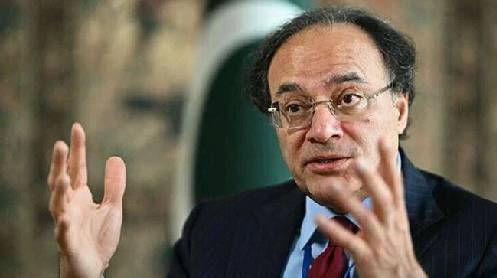
ISLAMABAD: President Asif Ali Zardari on Monday directed authorities to take all possible steps to ease the burden of rising prices on citizens, particularly amid mounting oil and gas supply pressures, escalating energy costs, and an evolving regional situation. Chairing a high-level consultative meeting at Aiwan-e-Sadr, the president stressed the need to protect low-income groups from inflation in essential goods and services. The meeting was attended by Prime Minister Shehbaz Sharif, along with chief ministers of all provinces, representatives from Gilgit-Baltistan and Azad Jammu and Kashmir, and senior federal officials.…

Read More

Rising Fuel Prices Push Shift Toward Electric Vehicles in Pakistan

electric-vehicles

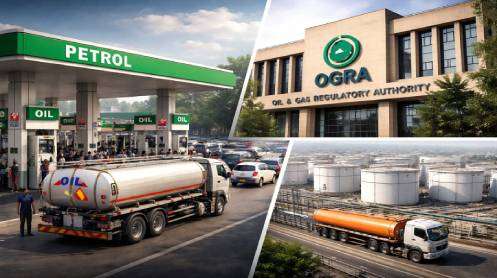
Amid soaring fuel prices, industry experts say Pakistan is witnessing a growing shift toward New Energy Vehicles (NEVs), a transition that could significantly reduce the country’s dependence on imported petroleum. According to Danish Khaliq, Vice President Sales and Strategy at BYD Pakistan-Mega Motor Company, the current fuel price environment is strengthening the case for accelerated adoption of NEVs. With petrol prices rising by 20–25%, the cost of operating conventional vehicles has surged, making electric and hybrid alternatives increasingly attractive. He emphasized that targeted government support will be crucial to sustain…

Read More

Power Sector Circular Debt Nears Rs1.9 Trillion, Raising IMF Concerns

New-DEBT

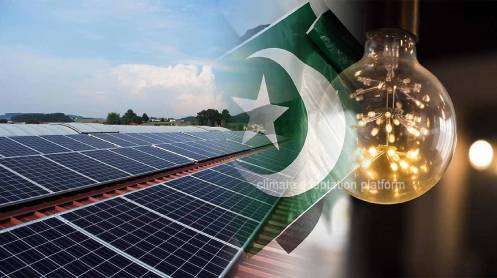
ISLAMABAD: Pakistan’s power sector circular debt is projected to approach Rs1.9 trillion, rising from Rs1.689 trillion recorded during the first half (July–December) of FY2025-26, according to sources in the Power Planning and Monitoring Company. As of February 28, 2026, the circular debt stock stood at Rs1.889 trillion, reflecting a sharp increase of nearly Rs200 billion in just two months. The surge comes amid mounting economic pressure linked to Middle East tensions and renewed concerns from the International Monetary Fund, which has termed the issue a serious risk to Pakistan’s economic…

Read More